
 By
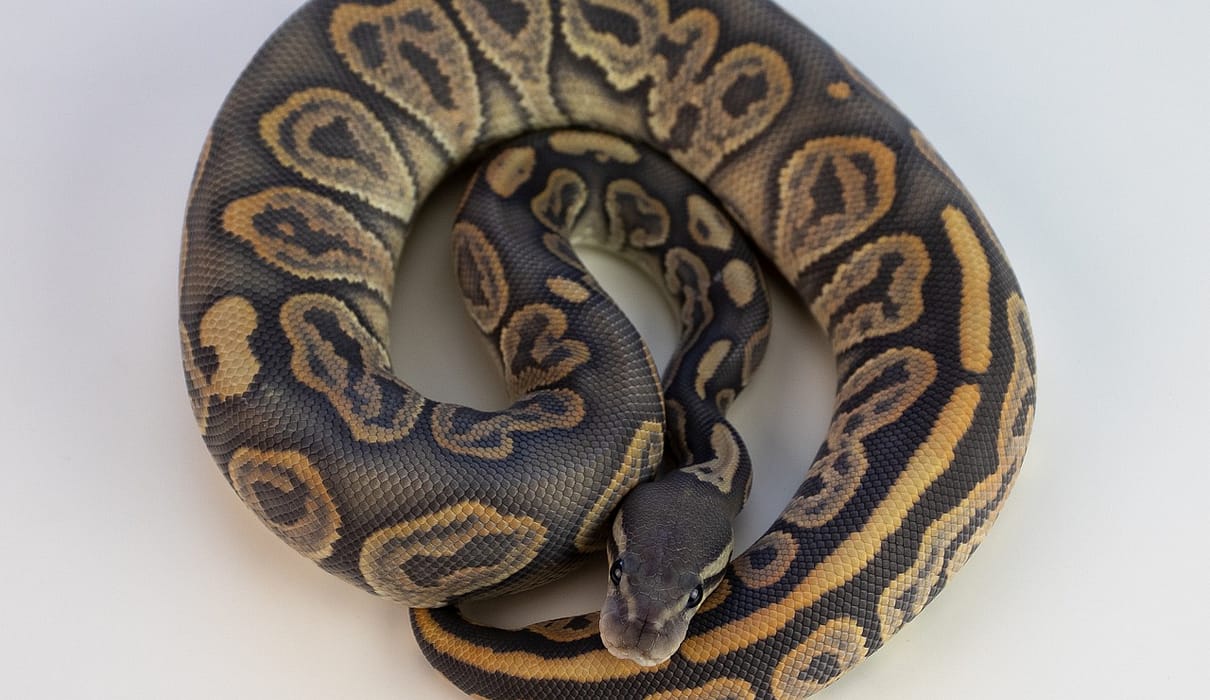
By If you are a first-time snake owner or an experienced hobbyist looking for a new pet, the Ball Python (Python regius) is an excellent choice. With their docile nature, manageable size, and stunning variety of morphs, Ball Pythons make fantastic pets for snake enthusiasts at all levels. In this comprehensive care guide, we will provide you with the essential information you need to properly care for and bond with your Ball Python.
Introduction
Ball Pythons, also known as Royal Pythons, are small constrictor snakes native to West and Central Africa. They are popular among reptile enthusiasts due to their typically docile temperament, easy handling, and impressive array of morphs. Ball Pythons are an ideal choice for first-time snake owners and seasoned herpetologists alike. In this care guide, we will outline essential information on proper diet, enclosure setup, health concerns, and handling techniques to ensure that your Ball Python thrives in captivity.
Background Information
Ball Pythons are named for their unique defensive behavior of curling up into a ball around their head when threatened. They are generally docile and easy to care for, making them a popular choice for beginner snake owners. Ball Pythons typically grow at a rate of one foot per year during their first few years, reaching a maximum length of three to four feet in adulthood.
In the wild, Ball Pythons inhabit savannahs and forests, spending much of their time burrowing and hiding. They are nocturnal creatures, preferring to be active during the night. Captive Ball Pythons can live 20 to 30 years with proper care, although some individuals may live even longer.
The initial cost of purchasing a Ball Python and setting up its enclosure can range from 600. Annual costs for feeding and maintaining the enclosure are typically around $200, making Ball Pythons an affordable pet option for many enthusiasts.
Purchasing a Ball Python
When looking to purchase a Ball Python, it is crucial to buy from a reputable breeder or pet store. Prices for a standard Ball Python can start around 75 to several thousand dollars, depending on rarity. Before purchasing your snake, be sure to examine its overall health, looking for clear eyes, smooth scales, and a healthy weight.
It is essential to avoid snakes with signs of respiratory distress, such as wheezing or bubbles around the nostrils. Additionally, consider the color and pattern of your desired Ball Python, as rare morphs may require searching for a specialized breeder or attending a reptile expo.
Diet and Feeding Guidelines
As carnivorous reptiles, Ball Pythons require a diet consisting solely of whole prey items, such as mice or rats. Juvenile Ball Pythons should be fed once per week, while adult Ball Pythons can be fed every 10 to 14 days. Prey items should be appropriately sized for your snake, with juveniles typically thriving on pinkies, fuzzies, or hoppers, and adults consuming adult mice or rats.
It is recommended to feed pre-killed or fresh-frozen prey to your Ball Python, as live prey can cause injury or transmit parasites if not consumed immediately. Be sure to properly thaw and warm prey items before feeding, avoiding the use of microwaves or hot water, which can alter the prey’s nutritional value or promote bacterial growth.
No additional supplements are necessary when feeding whole prey, as mice and rats provide all the required nutrients for your Ball Python’s health.
Enclosure and Tank Setup
Creating a suitable enclosure for your Ball Python is crucial to its overall health and well-being. Juvenile Ball Pythons under 20 inches in length can be housed in a 15 to 20-gallon aquarium, while adults require a minimum enclosure size of 120 gallons. It is essential to provide proper ventilation, secure openings, and a material that can withstand heating elements.
Enclosure Types
Several options are available for Ball Python enclosures, including glass, plastic, wood, and homemade setups. Glass aquariums are popular due to their visibility and ease of cleaning, but they can become cold and require proper heating. Plastic enclosures are lightweight and economical, but they must be chosen carefully to ensure they can withstand heating elements and provide adequate ventilation.
Wooden enclosures offer a sense of security and privacy while often featuring glass or plastic doors for viewing or access. Regardless of the material you choose, be sure that the enclosure meets all necessary requirements for the health and safety of your Ball Python.
Temperature and Humidity Requirements
Ball Pythons require a proper thermal gradient within their enclosure to maintain optimal health. The basking area should maintain a temperature of 90 to 94 degrees Fahrenheit, while the ambient temperature should range between 78 and 80 degrees. It is essential to monitor temperatures at both ends of the enclosure with thermometers to ensure the appropriate gradient is maintained.
Humidity levels within the enclosure should be kept between 50 and 60%. This can be achieved by providing a water dish or, if needed, increasing humidity with misting, a larger water dish, or the addition of moss.
Substrate and Decor
There are several suitable substrate options for Ball Pythons, including newspaper, paper towel, reptile carpet, cypress mulch, and aspen bark. Avoid using sand, cedar, or pine, as these substrates can harbor bacteria or contain harmful oils.
In addition to substrate, provide your Ball Python with ample hiding spaces and climbing opportunities. Two high-quality hides should be placed at each end of the enclosure, allowing your snake to choose between a warm and cool hiding spot. Branches and rocks can be used to create climbing and basking areas, but ensure they are stable and secure.
Health Concerns
Like all reptiles, Ball Pythons can be susceptible to various health issues if not cared for properly. Proper diet, enclosure setup, and environmental conditions are essential in preventing illness and maintaining a strong immune system. Common health concerns for Ball Pythons include Inclusion Body Disease (IBD), Dysecdysis, Pneumonia, and Stomatitis.
By providing appropriate care and monitoring your snake’s health, you can minimize the risk of these ailments and ensure your Ball Python lives a long, healthy life.
Handling and Bonding
Ball Pythons can form strong bonds with their owners through regular, gentle handling. To create a positive experience for both you and your snake, follow these tips:
- Wash your hands thoroughly before handling to eliminate any scent of food.
- Support the head, neck, and body of your snake during handling.
- Move slowly and avoid sudden movements.
- Allow time for digestion after feeding before handling your snake again.
- Refrain from handling your Ball Python during shedding, as their vision is limited during this time.
With patience and proper handling techniques, your Ball Python will become a curious, interactive companion.
Conclusion
Ball Pythons are a fantastic choice for first-time snake owners and experienced enthusiasts alike. By providing proper care, a suitable enclosure, and regular handling, you can ensure a long, healthy life for your pet. Remember to purchase your snake from a reputable source, and take the time to research different morphs and create the ideal habitat before bringing your new pet home. With patience and dedication, you and your Ball Python can form a lasting bond and enjoy years of companionship.